

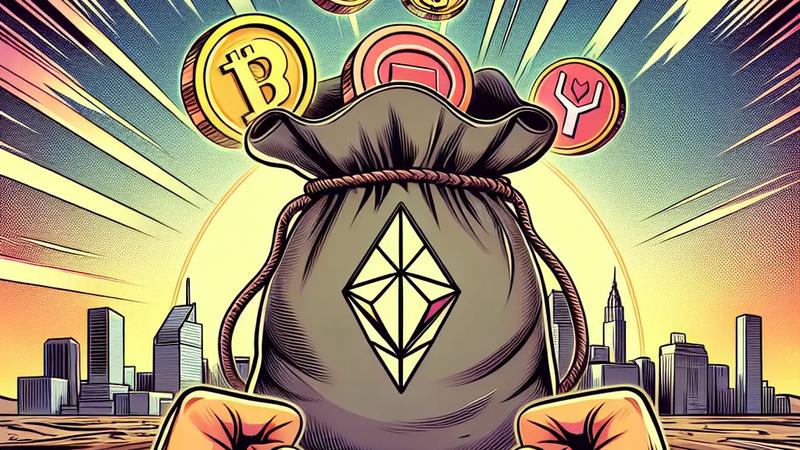
Cryptocurrency platform Backpack Exchange has unveiled a groundbreaking initiative for its upcoming Backpack token stakers, providing them the chance to acquire equity in the company. This announcement comes as Backpack gears up for a potential initial public offering (IPO).
Armani Ferrante, the CEO and founder of Backpack, shared on social media that users who stake the Backpack token for a minimum of one year will be eligible to swap their tokens for equity, amounting to 20% of the company. This move is part of Backpack's strategy to align the token’s value with the company’s equity, offering users a more substantial stake in its growth.
Ferrante emphasized the need for authenticity in the crypto sector, criticizing past token launches for making “false promises” about utility. He aims to differentiate Backpack by providing a token structure that signifies a commitment to long-term value.
Backpack's token launch will see 62.5% of the token supply distributed to users initially. The remaining tokens will be unlocked following the IPO, contingent on achieving key milestones such as regulatory approvals and new product launches. This tokenomics model aims to prioritize users, contrasting with the traditional model where insiders reap early benefits, often leading to sell pressure on retail investors.
Founded in 2022, Backpack emerged in the wake of Ferrante’s tenure at Alameda Research, a firm associated with FTX that collapsed in November of the same year. Despite the challenges, Backpack is pushing forward, partnering with Superstate, a registered transfer agent with the Securities and Exchange Commission, to explore onchain tokenized stocks.
Ferrante acknowledges the current centralized nature of the crypto industry, pointing out that meaningful token offerings are often compromised. While the token-equity model will initially appear centralized, plans are underway to progressively decentralize as the platform matures. Ferrante remains hopeful that the token will eventually reflect more than just the company’s immediate offerings, representing a long-term commitment to its community.